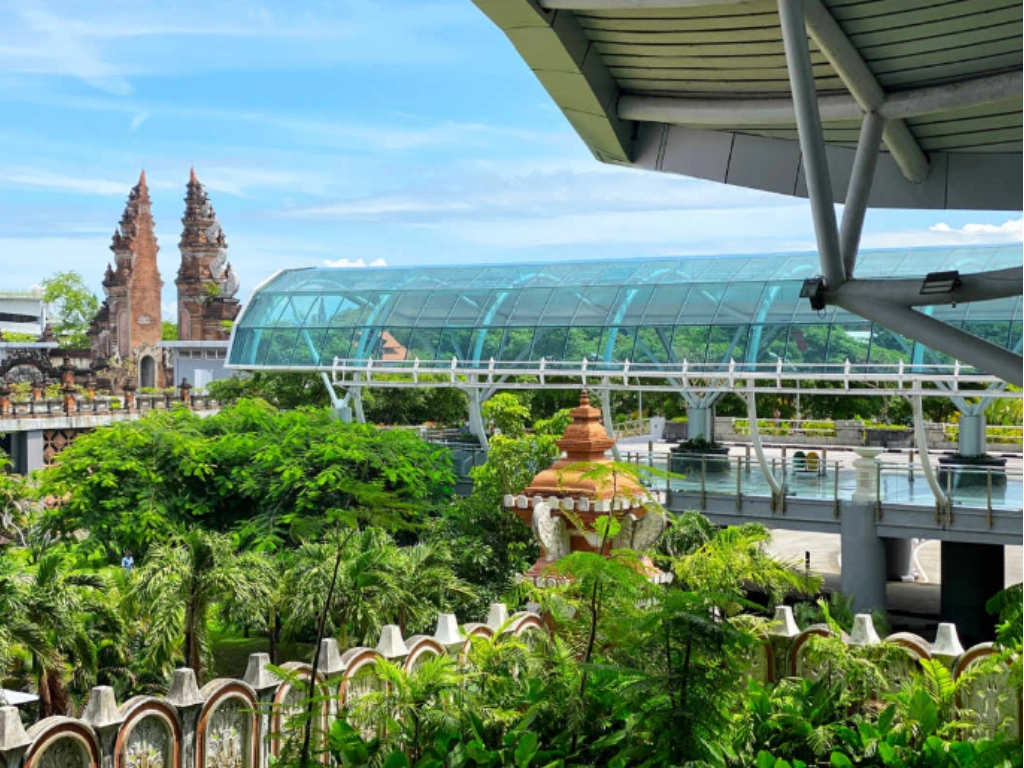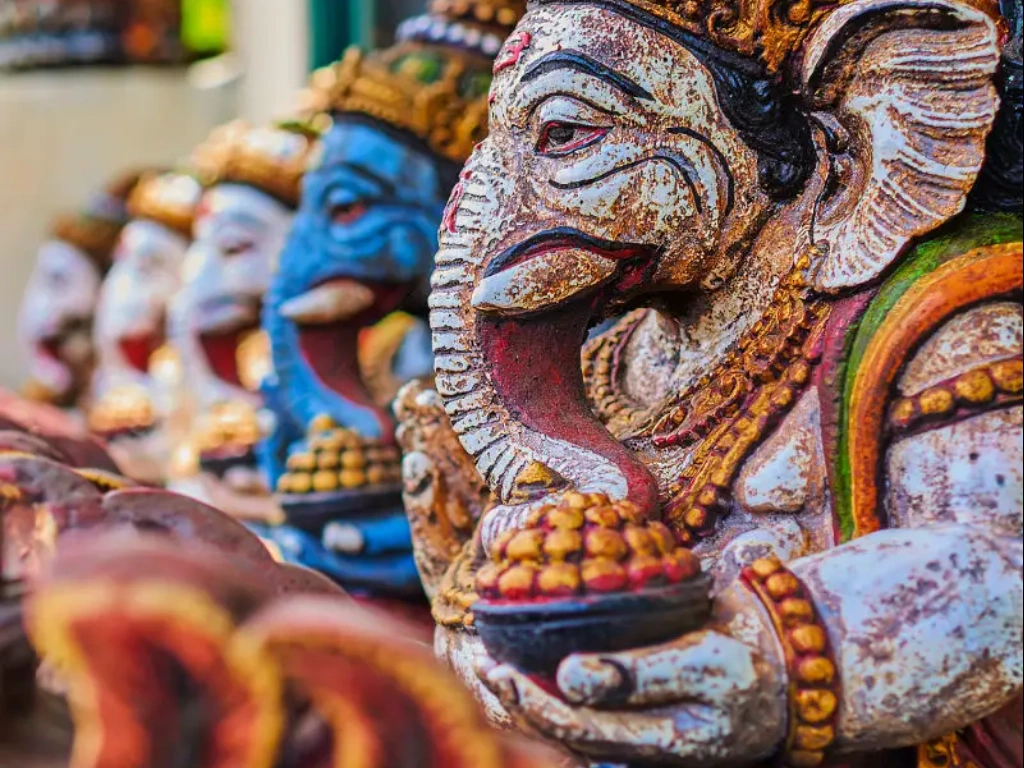
Bali has long been celebrated for its breathtaking beaches, spiritual heritage, and world-class hospitality. Yet beyond the island’s iconic sunsets and luxury resorts lies a deeper, more meaningful travel experience — one rooted in local arts, crafts, and agricultural produce.
Recent calls within the tourism sector are encouraging visitors to explore Bali’s traditional markets, artisan villages, and locally produced goods during their holidays. This movement is not only about enhancing the travel experience but also about strengthening Bali’s local economy, preserving cultural heritage, and promoting sustainable tourism.
In this article, we explore why supporting local arts and produce matters, how travelers can participate responsibly, and why this cultural momentum also signals long-term confidence in Bali’s real estate and investment landscape.
Why Exploring Local Arts & Crafts Matters
Bali’s identity is deeply tied to its creative communities. From intricate wood carvings to handwoven textiles, traditional craftsmanship is passed down through generations.
When tourists purchase locally made products, they:
Support small family-run businesses
Help preserve traditional Balinese techniques
Contribute directly to village economies
Reduce reliance on mass-produced imported goods
Promote sustainable, community-based tourism
This shift encourages a more conscious travel model, where visitors become active participants in Bali’s cultural ecosystem rather than passive consumers.
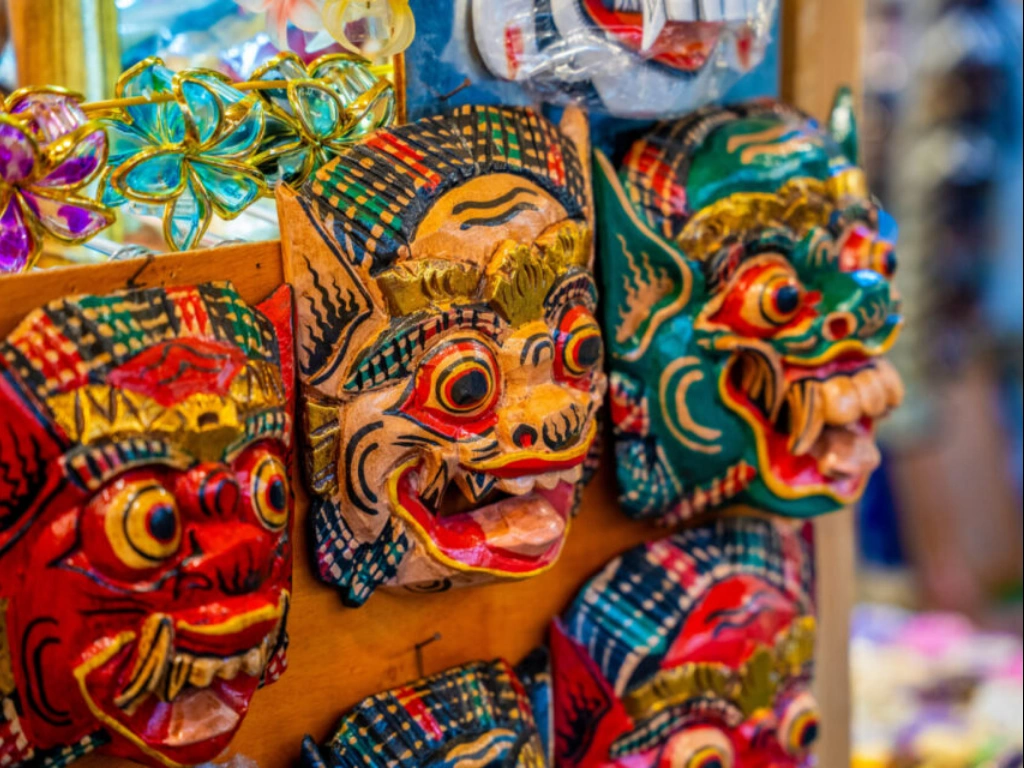
The Cultural Heart of Bali: Markets & Artisan Villages
Across the island, travelers can explore:
1. Traditional Markets
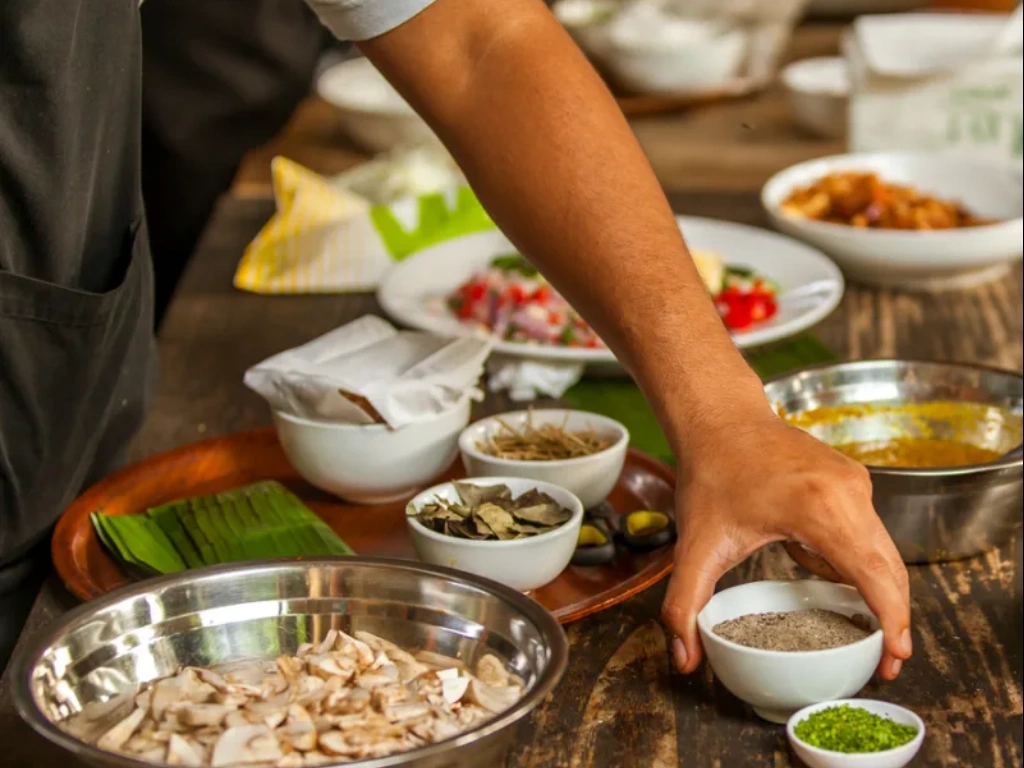
Local markets offer handmade crafts, fresh fruits, spices, woven baskets, and ceremonial items. These markets provide insight into daily Balinese life and seasonal produce cycles.
2. Artisan Villages
Certain villages specialize in particular crafts:
Silver jewelry crafting
Wood carving
Batik textiles
Traditional painting
Visiting these communities allows tourists to see the creative process firsthand and build direct connections with artisans.
3. Local Agricultural Produce
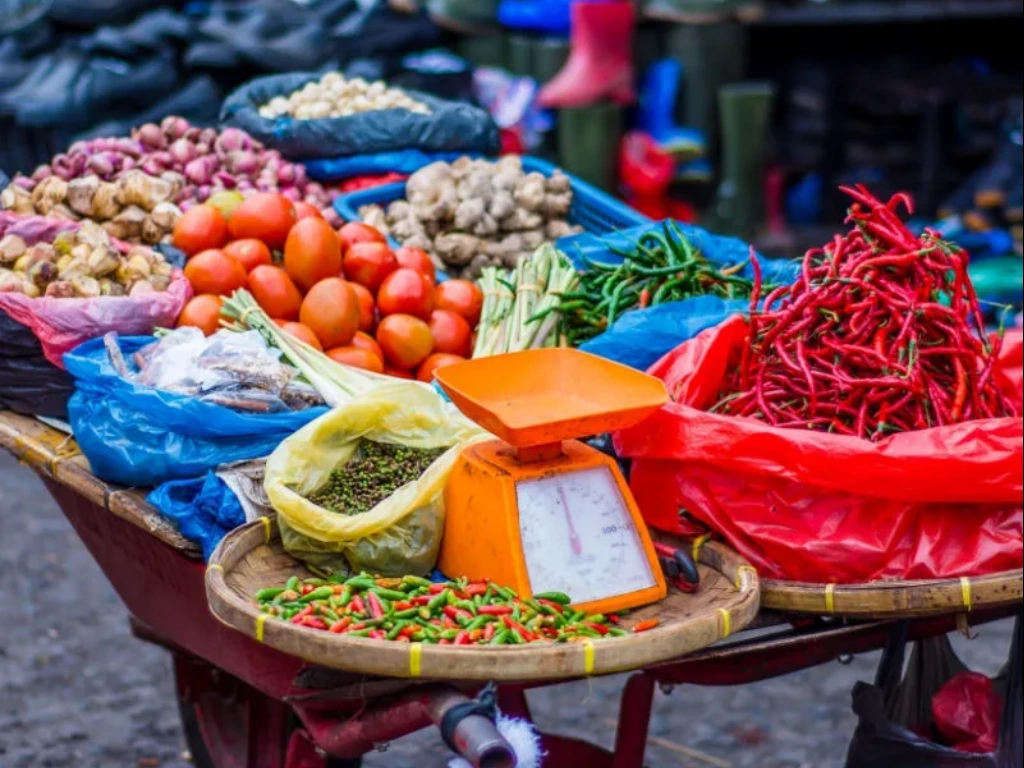
Bali is rich in tropical fruits, organic vegetables, coffee, cacao, and spices. Encouraging visitors to buy and consume local produce helps stabilize farmer incomes and reduce dependency on imports.
Sustainable Tourism: A Shared Responsibility
Sustainable tourism in Bali goes beyond environmental awareness. It includes:
Strengthening local supply chains
Supporting micro-enterprises
Protecting cultural traditions
Promoting ethical consumer behavior
When visitors prioritize locally made products, they help create a circular economy that benefits residents long after their vacation ends.
For Bali’s tourism industry, this model builds resilience. It reduces vulnerability to global disruptions and ensures tourism revenue spreads across multiple sectors — not just hospitality.
What This Means for Bali’s Long-Term Growth
The push to elevate local arts and produce reflects something bigger: confidence in Bali’s future as a culturally rooted, premium destination.
Travel trends show that modern tourists increasingly seek:
Authentic experiences
Community engagement
Eco-conscious travel
Cultural immersion
Destinations that align with these values attract higher-spending, long-stay visitors—exactly the segment driving Bali’s property investment boom.
As Bali strengthens its identity as a sustainable luxury destination, strategic real estate developments are emerging in areas that balance tranquility, culture, and accessibility.
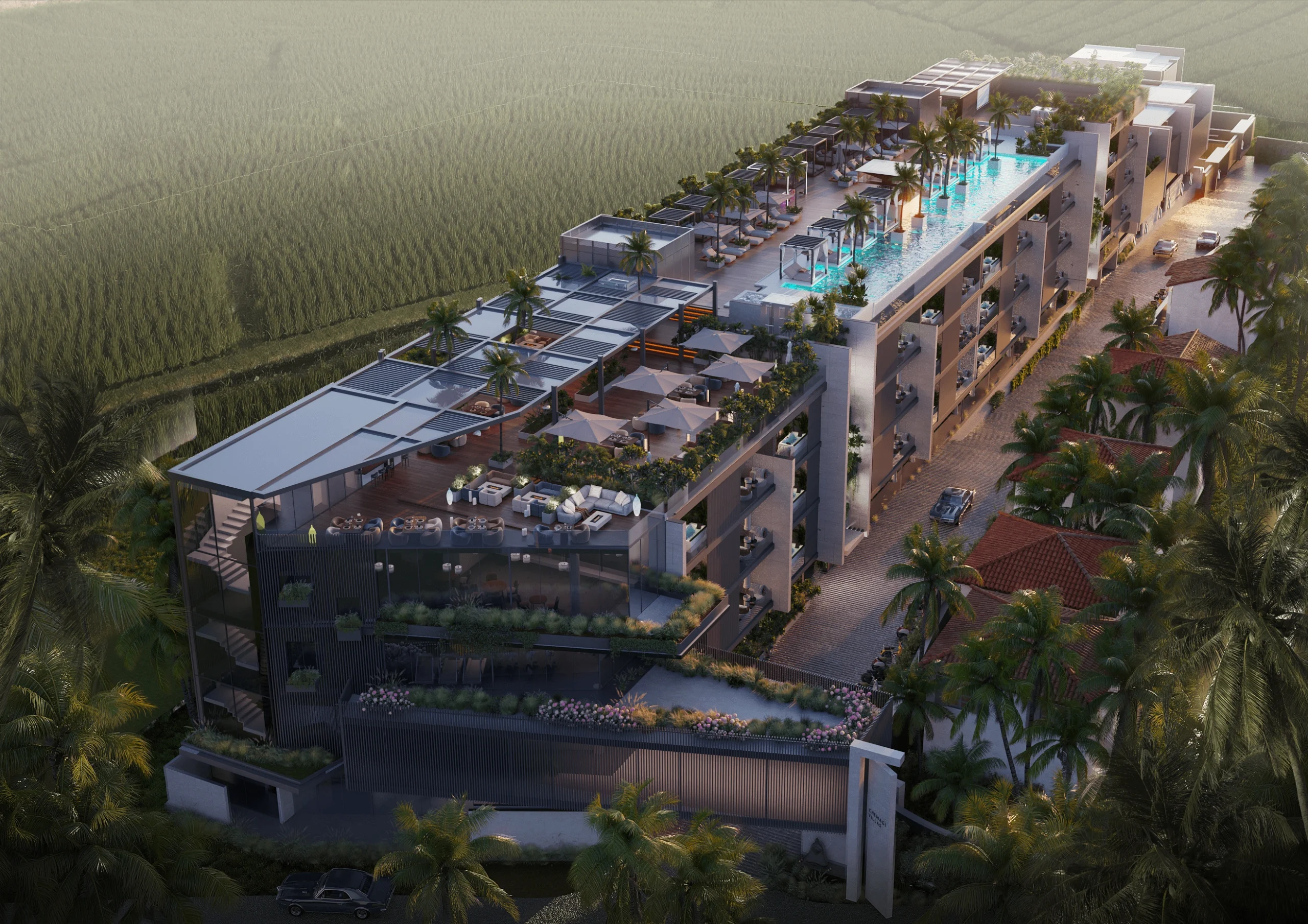
Zen Luxury Complex – A Strategic Investment in Bali’s Cultural Future
Located in Cemagi – Bali, just minutes from Canggu, Nuanu, and Tanah Lot, Zen Luxury Complex by Remarc Property Group represents the next evolution of smart real estate investment on the island.
Why Zen Luxury Complex Stands Out
11–14% average annual return
Starting from $145,000 USD
Only 300 meters from the beach
Surrounded by rice fields & ocean views
Investment options in villas and apartments
Premium Facilities Designed for Modern Travelers
Rooftop & skybar
Restaurant & steak house
Cinema
Yoga & gym facilities
Spa & wellness center
Underground parking
Receptionist & lobby services
This integrated luxury concept aligns perfectly with Bali’s new tourism direction — offering visitors both authentic surroundings and high-end amenities.
As tourists increasingly explore local markets, artisan villages, and sustainable experiences, areas like Cemagi become highly desirable. They offer tranquility while remaining close to Bali’s cultural and lifestyle hotspots.
For investors, this means positioning assets where demand is rising but exclusivity remains intact.
Why Cultural Strength Drives Property Value
Bali’s long-term property growth is not built solely on beach clubs or nightlife. It’s rooted in:
Strong cultural identity
Community resilience
Sustainable tourism initiatives
Global appeal as a lifestyle destination
When tourism strategies emphasize supporting local crafts and agriculture, it signals government and industry commitment to long-term stability.
- Stable tourism ecosystems create stable rental markets.
- And stable rental markets create strong investment returns.
Final Thoughts
Exploring Bali’s local arts, crafts, and produce is more than a travel recommendation — it’s a movement toward responsible tourism and economic empowerment.
- For travelers, it means richer experiences.
- For communities, it means sustainable income.
- For investors, it signals long-term confidence in Bali’s growth trajectory.
As Bali evolves into a premium cultural destination, developments like Zen Luxury Complex in Cemagi offer an opportunity to be part of that future — combining lifestyle appeal with attractive annual returns.
If you’re considering entering Bali’s real estate market, now is the time to invest where culture, sustainability, and luxury intersect.