How North Bali Airport Will Transform Bali’s Economy and Property Market
- October 20, 2025
- Articles
Bali, Indonesia – October 20, 2025
Remarc Group – Premium Real Estate and Investment Opportunities in Bali
Source: The Bali Sun
For years, most of Bali’s growth has been concentrated in the south areas like Seminyak, Canggu, and Uluwatu. These regions have flourished thanks to their proximity to Ngurah Rai International Airport and the island’s established tourism infrastructure. As a result, the south has become crowded and costly, while the north has remained relatively untouched and tranquil.
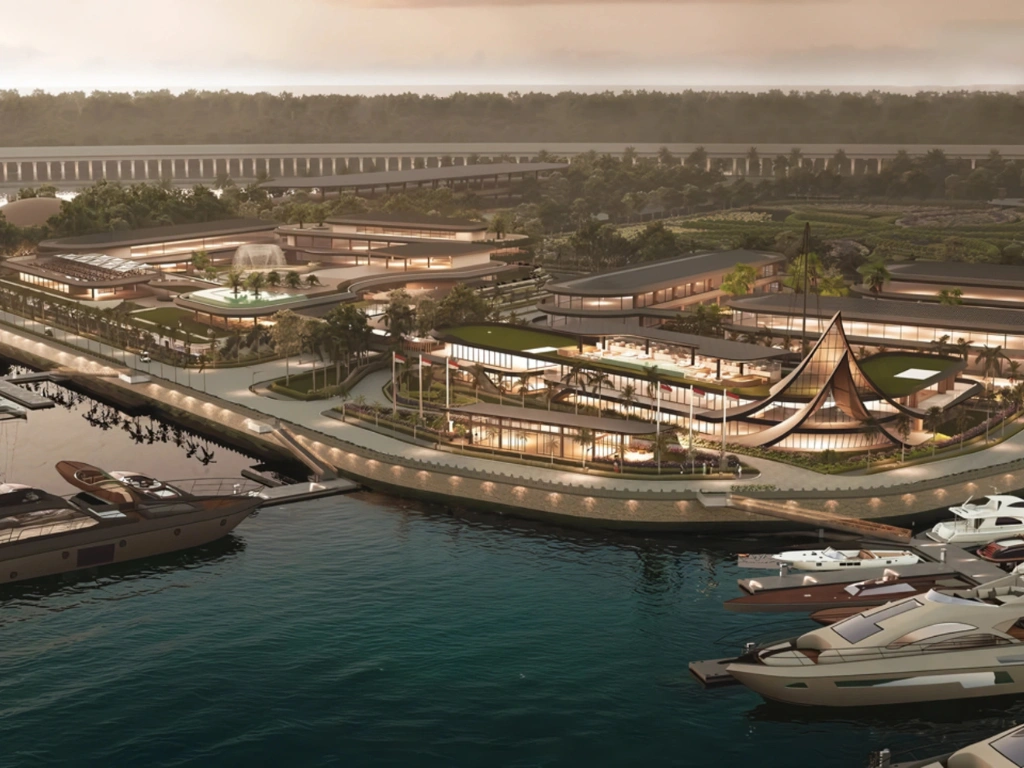
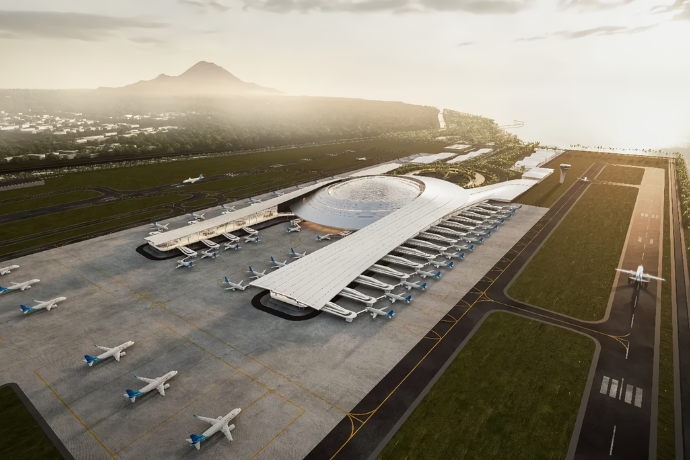
Now, that balance is about to change. The upcoming North Bali International Airport (NBIA) is set to become one of Indonesia’s most transformative infrastructure projects a new international gateway that could redirect the island’s growth toward the north.
A Nationally Prioritized Project

The North Bali International Airport, planned in Kubutambahan, Buleleng Regency, has been included in Indonesia’s National Medium-Term Development Plan (RPJMN 2025-2029).
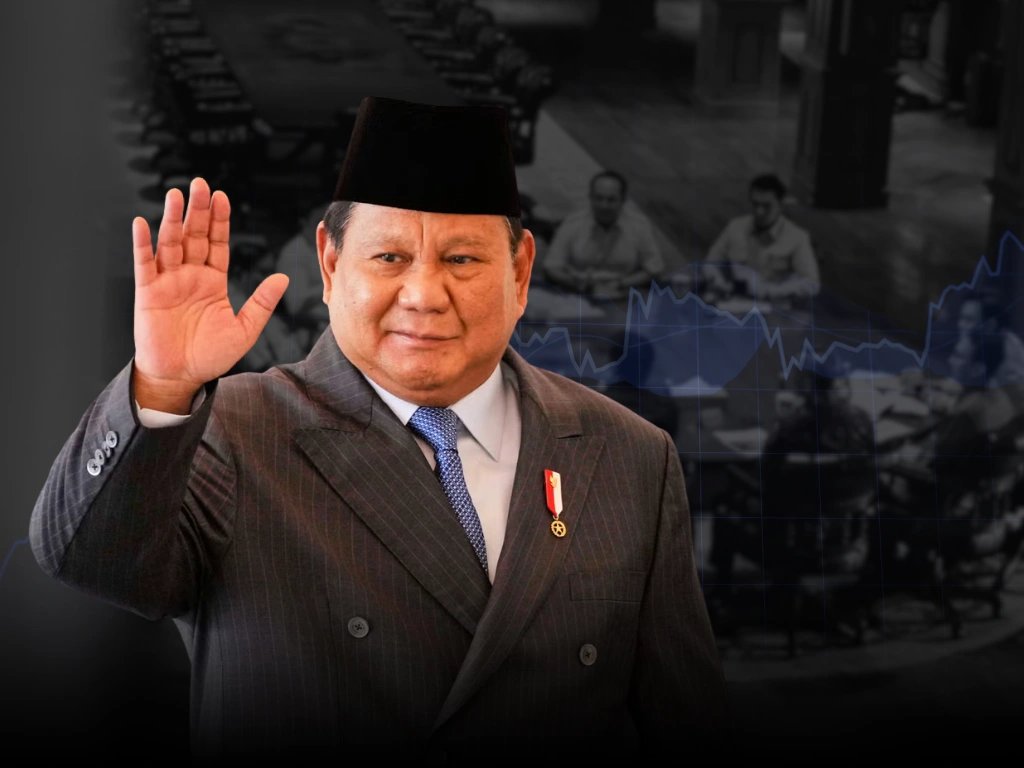
According to Antara News, President Prabowo Subianto has officially approved the project, with construction expected to begin in mid-2025. The total investment is estimated at USD 3 billion (around IDR 50 trillion), involving both domestic and international investors.
The new airport is projected to handle up to 30 million passengers annually, significantly reducing congestion at Bali’s existing Ngurah Rai Airport in Denpasar.
A Balanced Future for Bali
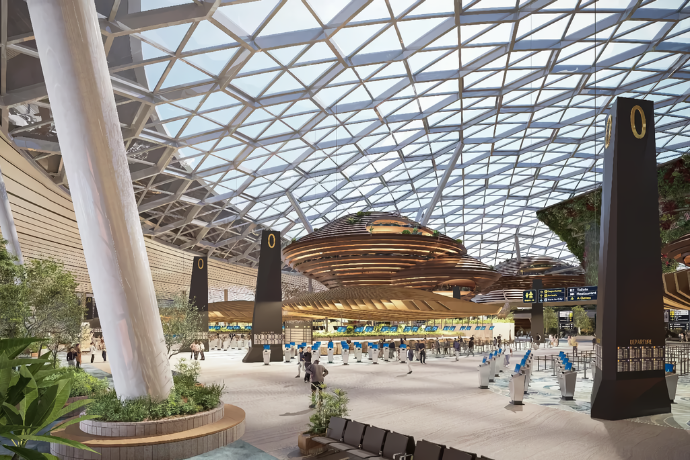
For decades, South Bali has carried the weight of mass tourism, resulting in congestion, high land prices, and environmental strain. The new airport represents an opportunity to rebalance tourism and economic activity across the island.
With direct international access to the north, visitors will be able to discover lesser-known destinations waterfalls, lakes, mountains, and heritage temples spreading tourism benefits more evenly and supporting sustainable development.
The North Bali Airport will bring a wave of opportunities across multiple sectors:
Real Estate: Rising demand for housing, resorts, and mixed-use developments near the airport.
Hospitality: New hotels, restaurants, and tourism businesses catering to the increased flow of visitors.
Infrastructure: Roads, utilities, and logistics networks required to support the growing region.
Local Economy: Empowerment of small and medium enterprises through supply chains and services.
As one analysis said, “The new airport is not just a transport project it’s a long-term catalyst for regional development and investment diversification.”
ENJOY LONG-TERM GROWTH
As growth expands beyond the south toward the north and west, Cemagi, positioned right between these zones, will benefit the most. In the coming years, its land and villa values are expected to rise steadily, fueled by growing demand for peaceful yet well-connected coastal living.
The Zen Luxury Complex by Remarc Property Group in Cemagi sits perfectly between Bali’s lively south and the future North Bali Airport. With new infrastructure improving access, visitor numbers could grow by up to 50% by 2035, driving higher demand and property values, making Zen Luxury Complex one of Bali’s top investment opportunities.
Conclusion
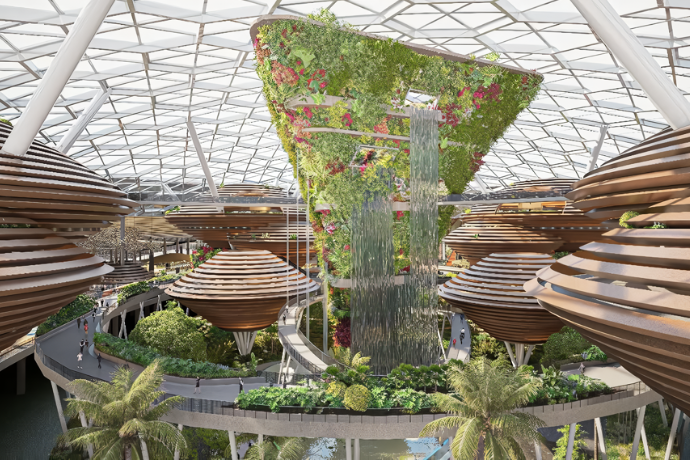
The North Bali International Airport is more than an infrastructure project it’s a symbol of a new era for the island.
By opening new gateways, connecting previously overlooked regions, and fostering balanced economic growth, the project has the potential to reshape Bali’s tourism, real estate, and investment landscape for decades to come.
Whether you are a traveler, entrepreneur, or investor, one thing is clear:
The future of Bali is expanding north.
- 2025 | All Rights Reserved.