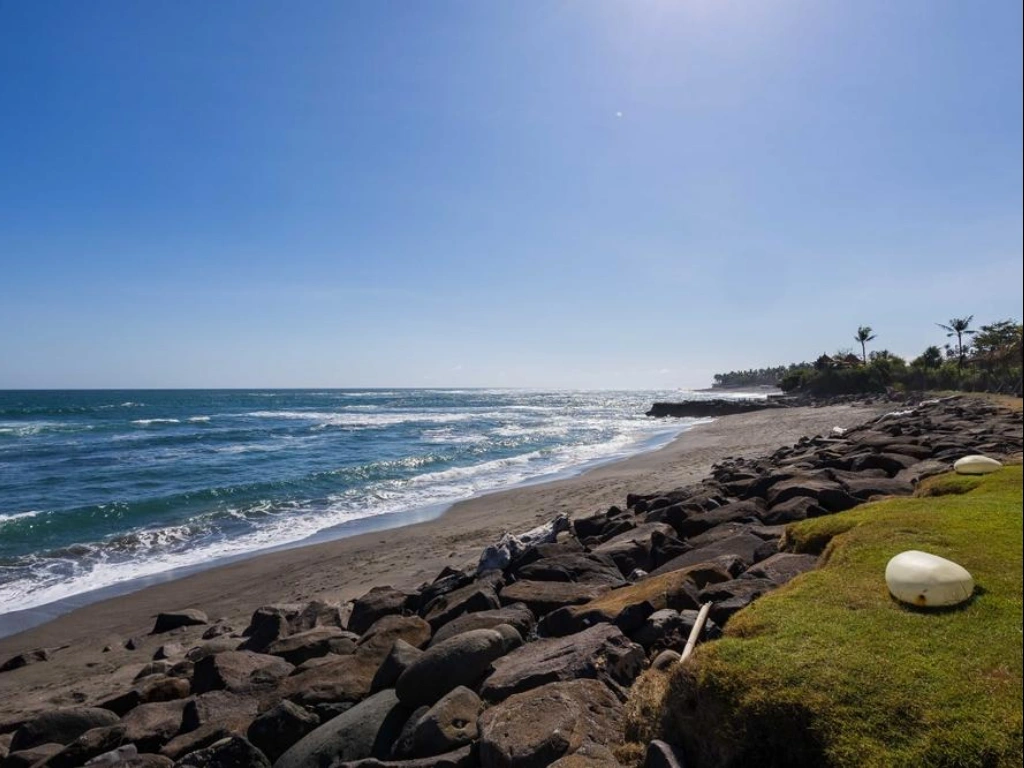
Bali’s real estate market has already passed its rapid-growth and recovery phases. By 2026, the market is more stable, more selective, and more demanding. This is no longer a place where any property can perform well just because it is in Bali.
That shift is important.
Today, buyers are more careful, rules are taken more seriously, and weak projects are exposed much faster. At the same time, Bali has not lost its global appeal. People still come to visit, stay longer, and build a lifestyle here. This creates real demand but only for properties that are planned and managed properly.
So the key question in 2026 is not whether Bali has potential. It does.
The real question is whether a project is designed for how Bali works today, not how it worked years ago.
In short, Bali still offers opportunity, but it now expects buyers to think before they buy.

Tourism still matters, but it no longer fixes bad decisions
Tourism remains the backbone of Bali’s property market. People keep coming for holidays, wellness, lifestyle, and long stays. This creates constant demand for accommodation.
What has changed is guest behavior. Visitors today compare options carefully. They read reviews, check photos, look at facilities, and expect a smooth experience. If a property feels cheap, uncomfortable, or poorly managed, guests simply move on to the next option.
High tourist numbers alone no longer guarantee good rental income. Tourism supports good properties. It ignores weak ones. This is why quality, comfort, and management matter more than location alone in 2026.
Bali works best as a rental-income market
Most people buying property in Bali are not planning to flip it quickly. They buy because they want rental income over time.
In 2026, rental performance is the main indicator of value. Investors care about how often the property is rented, how it performs outside peak season, and how stable the income is month to month. A property that only works during holidays is risky. A property that works year-round is strong.
Management plays a big role here. A well-managed property can perform well even in average locations. A badly managed property can fail in a good area. Rental income in Bali is not automatic. It comes from planning, pricing, maintenance, and daily operations.
Land limits, zoning, and livability now protect value
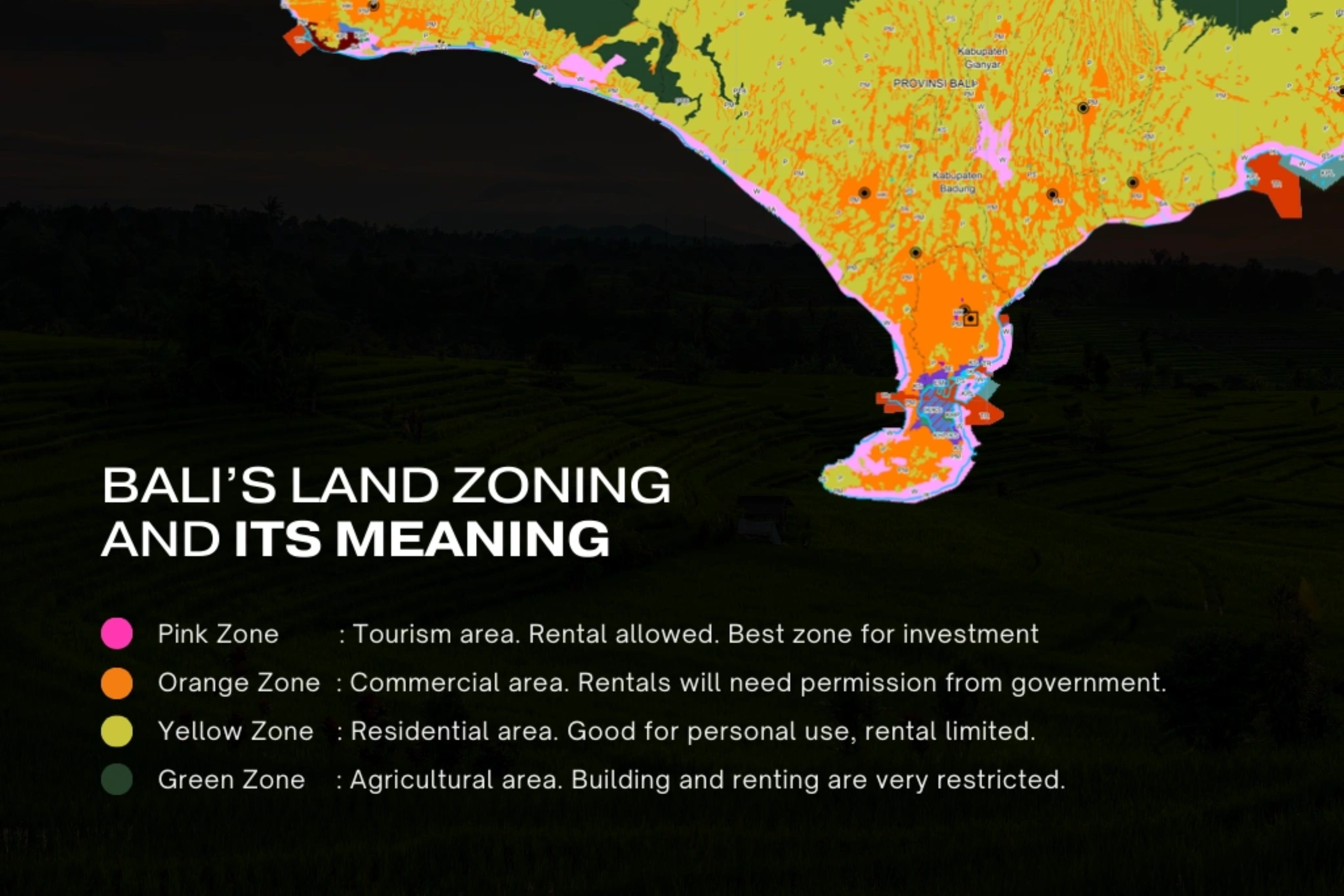
Land in Bali is limited, and development is controlled by zoning, environmental rules, and cultural protections. This matters more in 2026 than ever before. Projects with unclear zoning or incomplete permits face real problems. They may struggle to operate, rent, or resell. Buyers are now much more aware of these risks and avoid them when possible.
At the same time, people are choosing locations more carefully. Overcrowded areas with traffic and noise like Canggu and Pererenan are losing appeal, especially for long stays. Calmer areas with better access and a more residential-feel like Seseh and Cemagi are now becoming more attractive.
This combination of limited land, stricter rules, and changing preferences helps protect the value of well-located, legally clean projects.
Why luxury complex projects like Zen Luxury Complex make sense now
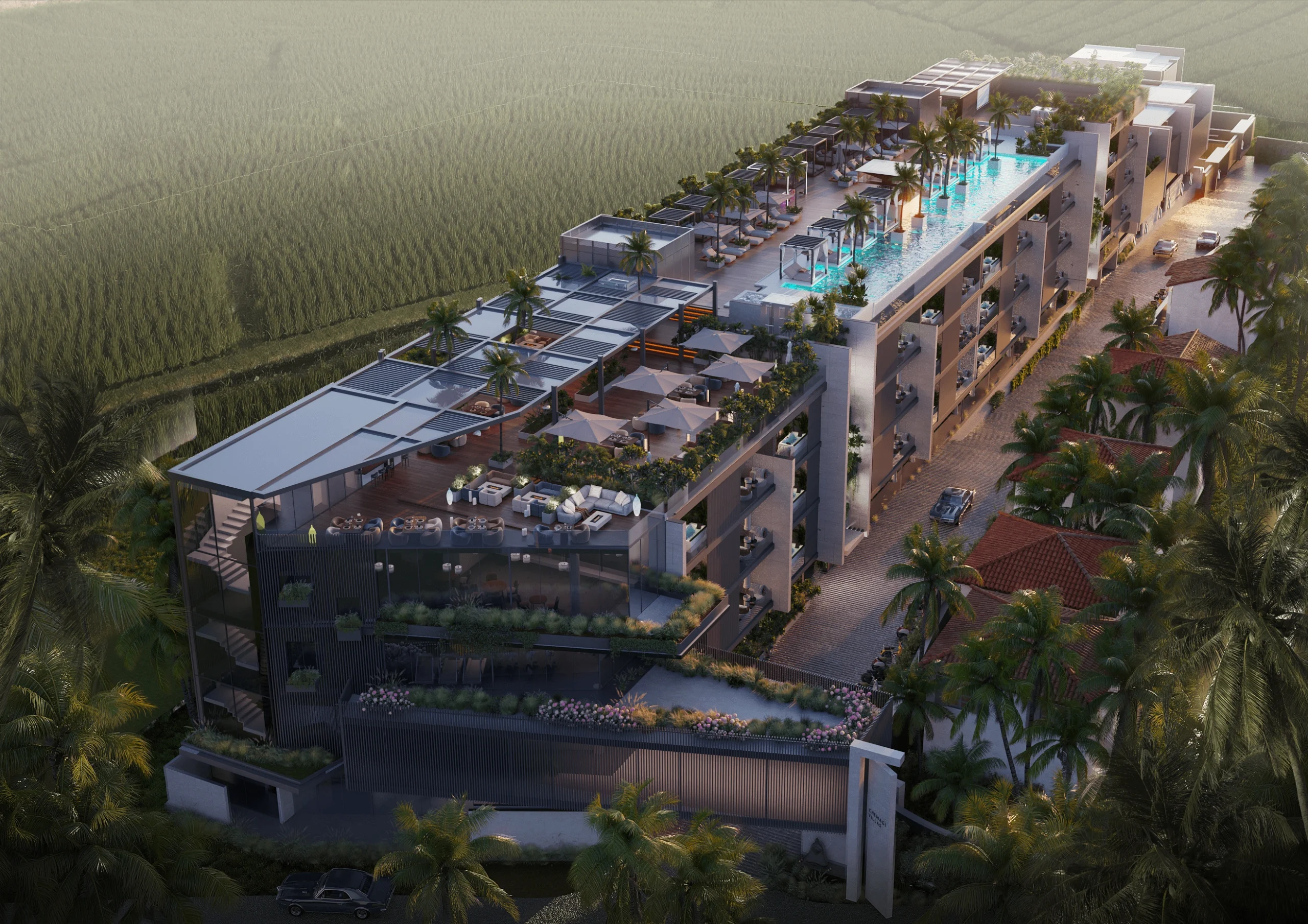
Zen Luxury Complex fits naturally into how the Bali market works today. Instead of standalone villas with separate owners and no unified management, the project is planned as a complete residential environment. Apartments and villas are combined in one master plan, supported by shared facilities and centralized management.
Zen Luxury Complex will be operated by a professional in-house management team, not a third-party operator. This is an important part of how the project is designed to perform in the long term.
In Bali, many rental properties underperform because management is outsourced and disconnected from the project itself. Decisions are slow, standards vary, and the focus is often limited to basic operations. At Zen Luxury Complex, management is built into the project from the start.
Our in-house management team is fully dedicated to:
– optimizing rental pricing based on season and demand
– improving occupancy throughout the year
– maintaining guest experience and reviews
– controlling costs and handling maintenance properly
– protecting the condition and value of the asset
Because the team works internally, decisions are faster and more aligned with investor interests. Pricing strategies are adjusted based on real data, not assumptions. Maintenance is proactive, not reactive, which helps keep units attractive and rentable over time.
In simple terms:
Zen Luxury Complex is not only built to be rented. It is built to be managed professionally, with a reliable team focused on stable income, efficient operations, and long-term value protection.