Remarc Group – Premium Real Estate and Investment Opportunities in Bali
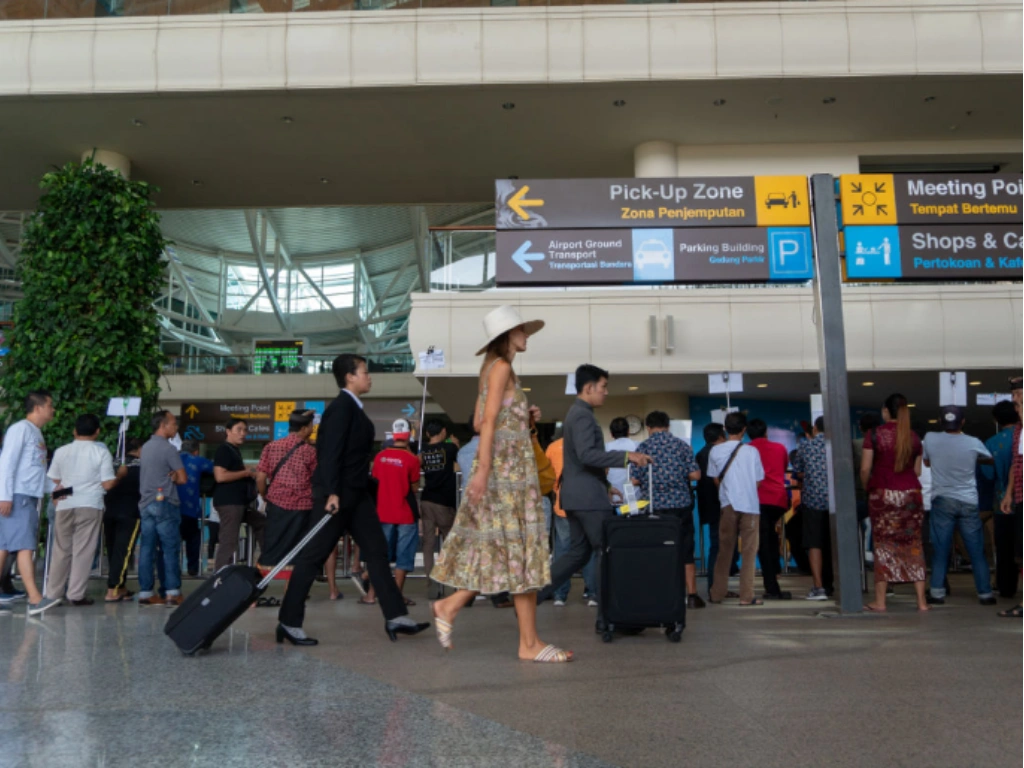
Bali has always been a dream destination but in 2026, getting here is about to become easier, faster, and far more convenient. A new wave of direct international routes is being launched, marking one of the most significant expansions in Bali’s global connectivity in years. For travelers, this means shorter journeys and fewer layovers. For Bali, it signals a new era of tourism growth and international relevance.
A Major Leap in Air Connectivity
Airlines across the region are betting big on Bali. Several new direct routes have already been confirmed for 2026:
- Jetstar Airways will connect Sunshine Coast (Australia) directly with Bali starting March 2026, offering more than 70,000 seats per year.
Source: Jetstar Newsroom - Another Jetstar route will link Newcastle (Australia) to Bali from March 29, 2026, opening up international travel opportunities for one of Australia’s fastest-growing urban regions.
Source: ACI Asia-Pacific - Jetstar is also adding Melbourne Avalon → Bali direct flights beginning March 23, 2026, with up to five weekly services and more than 120,000 seats annually.
Source: Jetstar Newsroom - The momentum has already begun in Asia, with new 2025 launches such as Sichuan Airlines’ Chengdu → Bali flights and T’way Air’s Cheongju → Bali route.
Source: Ngurah Rai Airport Press Release
Why This Matters: The Bigger Picture
More direct flights don’t just make travel easier. They change the rhythm of tourism entirely.
- Shorter, smoother journeys
Travelers from regional Australian cities can now reach Bali without long airport transfers or multi-stop itineraries. This opens the island to first-time visitors, families, and frequent travelers who value convenience. - A broader international audience
When mid-sized cities gain direct access, Bali suddenly appears on the radar of millions who previously saw it as “too far” or “too inconvenient.” This shift expands Bali’s reach far beyond traditional feeder markets. - Higher travel frequency
Direct connections often lead to repeated visits — weekend getaways, short breaks, business retreats, wellness escapes. More flights mean more reasons to come. - An economic ripple effect
Tourism, hospitality, events, weddings, long-stay digital nomads, and the booming investment property market all benefit when travel becomes frictionless.

The Impact on Bali’s Tourism & Investment Landscape
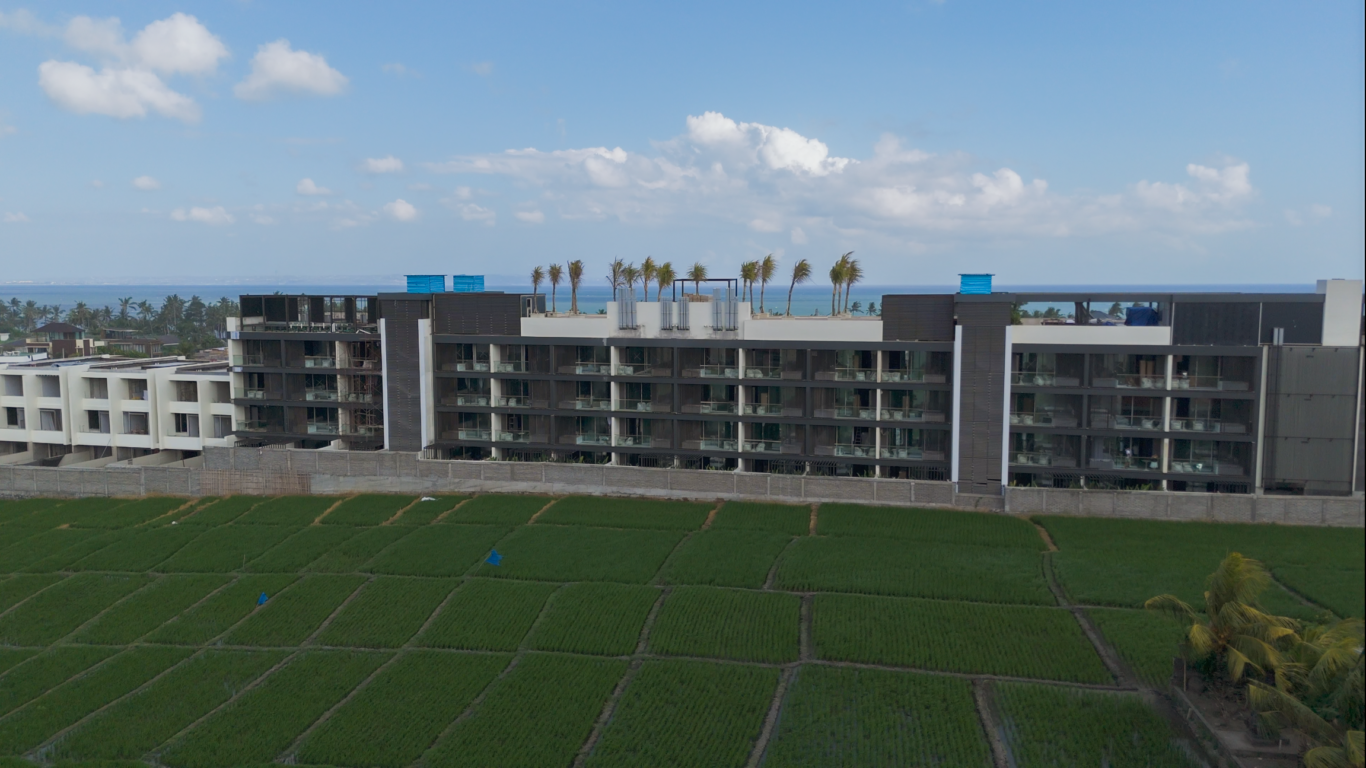
The new routes come at a time when Bali is experiencing strong development growth, especially in fast-rising areas such as Cemagi, Seseh, Nyanyi, and Kedungu.
For tourism, the impact is immediate:
- More visitors from Australia and East Asia
- Stronger year-round occupancy potential
- A more diverse international mix
- Higher exposure for emerging destinations within the island
For investors, the implications are even more strategic:
- Direct flights boost demand for premium rentals and managed properties.
- Rental yields often improve as visitor flow becomes more stable.
- Areas within 300–500 meters of the ocean especially in new-generation luxury developments become more attractive.
- Long-term investment confidence strengthens when global connectivity grows.
The launch of new direct flights to Bali in 2026 represents far more than additional routes, it marks the beginning of a new chapter for the island. Easier access from Australia’s regional cities and expanding links from East Asia will bring more visitors, boost the economy, and create a stronger foundation for long-term investment growth.
For tourism businesses, this means increased demand.
>For investors, this means higher occupancy and long-term confidence.
>For Bali, it means rising global influence and sustained momentum.
Connectivity drives opportunity and in 2026, Bali is set to rise to a new level.
Published by